
Rosemary - Benefits and Properties
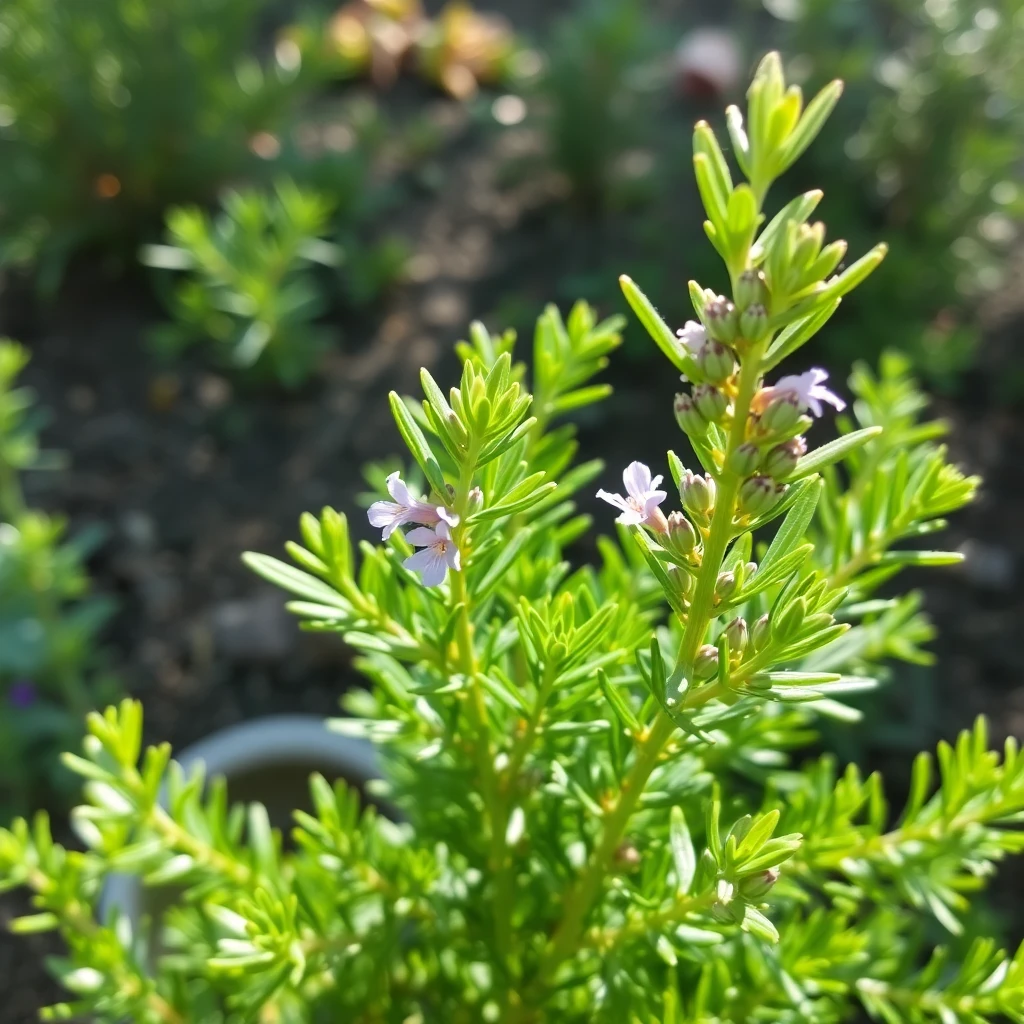 Our Cultivated Plants – Nature’s medicine chest at your doorstep.
Liver & Digestive Health
We often forget that rosemary has long been used as a liver herb.
Classified as a bitter aromatic, it supports digestion by:
- Stimulating gastric, pancreatic, and bile secretions
- Toning smooth digestive muscles
- Acting on the liver and gallbladder as:
- Choleretic – boosts bile production to eliminate toxins
- Cholagogue – stimulates gallbladder contractions to expel thickened bile
Key benefits:
- Gentle depurative (supports waste elimination)
- Antispasmodic and antibacterial (relieves cramps, reduces fermentation bacteria)
- Liver protector — effective even as a simple infusion
Tip: For hepatobiliary migraines or liver stress (from rich food or alcohol), rosemary can be taken in prolonged treatment.
Cell Protection & Antioxidant Power
Rosemary is one of the most powerful plant-based antioxidants. It:
- Blocks lipid peroxidation (prevents fats from going rancid)
- Protects cells from oxidative stress
- Helps prevent:
- Premature aging (internal & external)
- Atherosclerosis (by protecting LDL cholesterol from oxidation)
How to use:
- Consume regularly in small amounts — ideally a morning infusion
- Add to cooking (especially grilled meat/fish) to reduce carcinogenic compounds
- Combine with omega-3 supplements to protect fragile fatty acids
Brain & Cognitive Health
Rosemary improves peripheral circulation and supports brain function.
Potential benefits include:
- Supporting cognition and memory
- Helping with nervous depression
- Possible role in Alzheimer’s prevention (multidimensional brain protection)
Aromatherapy findings:
- Morning: Rosemary & lemon essential oils
- Evening: Lavender & orange essential oils
Try a daily rosemary-lavender infusion during stressful decision-making periods for clarity and focus.
Radiation & UV Protection
Rosemary’s antioxidant effects may help:
- Protect against cellular radiation damage (lab and animal studies)
- Increase glutathione levels in irradiated tissues
- Protect skin cells from UV damage
- Reduce risk of macular degeneration (animal studies)
Given daily exposure to mobile phone and Wi-Fi radiation, rosemary could be a valuable daily protector.
Cardiovascular Support
While often overlooked, rosemary can help with low blood pressure (hypotension) by toning the neurovascular system — especially useful for:
- Pale, low-energy individuals
- Those with weak circulation
Toning & Stimulating Effects
Rosemary can be stimulating or calming depending on the person and context.
- Long-term use can benefit elderly individuals with poor circulation and cognitive decline
- Powerful antibacterial, antifungal, and astringent — supports:
- Oral health
- Digestive tract healing
- Wound recovery (external application)
- Anti-inflammatory — supports joint comfort when applied as diluted essential oil or tincture

Summary of Benefits
Rosemary is:
- A supreme antioxidant
- A protector against degenerative diseases
- A digestive aid after heavy meals
- A tonic for the brain and memory
- A possible ally in Alzheimer’s prevention
Rosemary in Infusion
Why herbal tea works:
Hot water extracts rosemary’s active compounds efficiently.
Liver benefits via infusion:
- Hepatoprotective – protects and helps regenerate the liver
- Depurative – boosts bile production to flush toxins
Best time to drink:
- In the morning for gentle, sustained energy without caffeine
- Supports focus, memory, and overall vitality
Experiment to see how your body responds — many feel an overall lift in mental and physical energy.