
Nettle Properties
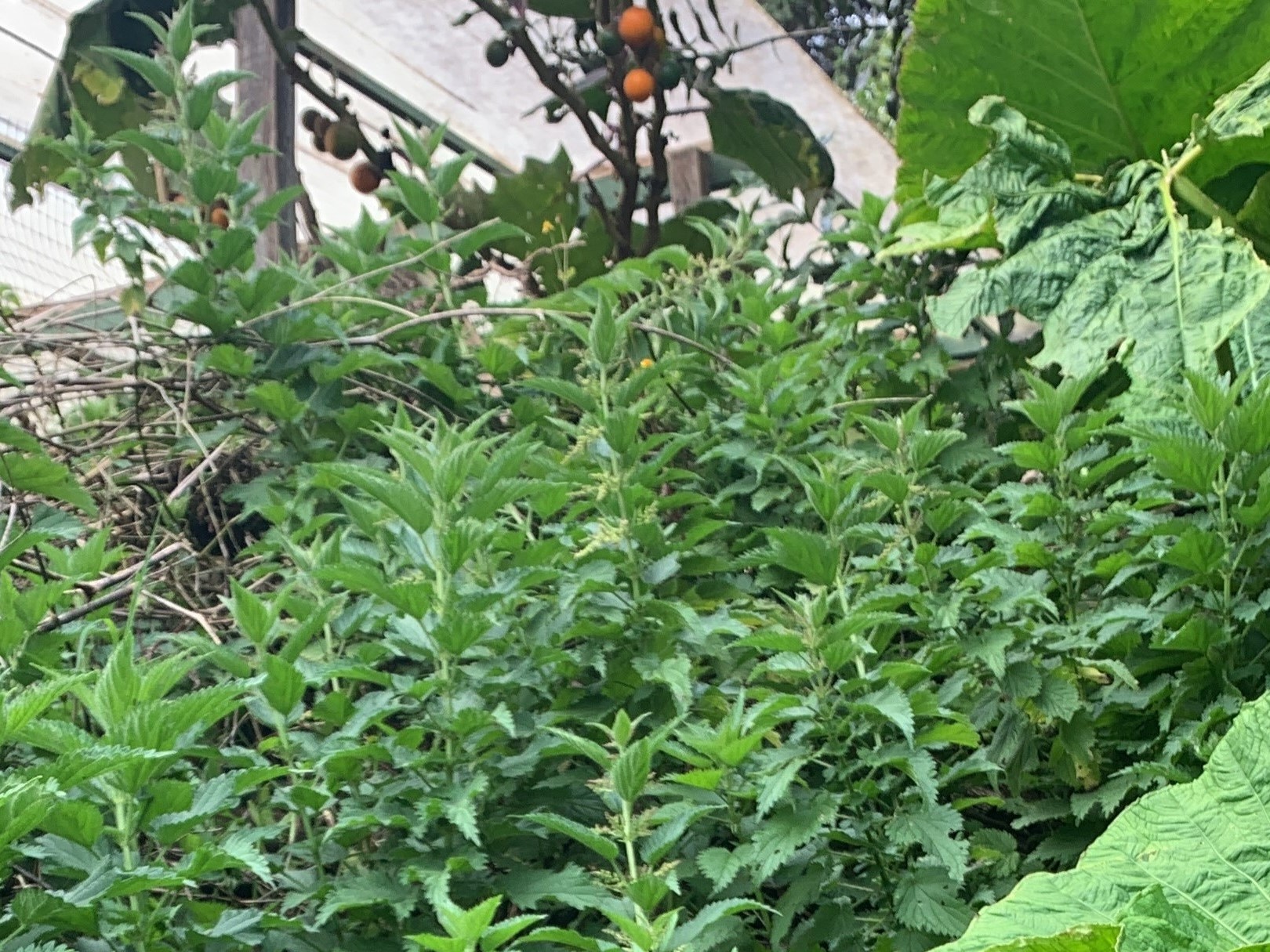
Why We Cultivate Nettle (Urtica dioica) and Use it for Detox.
Nettle (Urtica dioica), often perceived as just a stinging weed, is actually a treasure trove of health benefits. Used for centuries in traditional medicine and herbalism, its nutritional and therapeutic properties are remarkable.
We cultivate nettle for its exceptional richness and primarily use it in our detoxification programs. Thanks to its powerful diuretic and detoxifying properties, nettle helps the body eliminate accumulated toxins and waste, thus promoting deep cleansing and revitalizing the organism. A nettle-based detox can help restore vitality and smile.
Exceptional Nutritional Richness and Remineralizing Power Nettle is a mine of essential nutrients. It is particularly rich in: Vitamins: Notably Vitamins A, C (much more than orange!), K, and certain B-group vitamins. Minerals: Iron (very well absorbed, useful against fatigue and mild deficiencies), calcium, magnesium, potassium, phosphorus, manganese, zinc... and above all, it is one of the most important plant sources of Silica (Silicon).
This richness in minerals makes nettle a highly remineralizing plant, helping to replenish the body's reserves.
Silica: This mineral plays a crucial role in the health of connective tissues (skin, cartilage, bones, tendons, vascular walls) and contributes to strong hair and nails. Its presence in large quantities in nettle partly explains its benefits for skin, joints, and general vitality, including support for bone density.
Proteins: It contains essential amino acids, which is quite rare for a leafy vegetable, making it a good supplement for vegetarian or vegan diets.
Antioxidants: Flavonoids, carotenoids, and other phenolic compounds that help combat oxidative stress and protect cells from aging. Chlorophyll: Responsible for its beautiful green color, chlorophyll has detoxifying and revitalizing properties.
Traditional and Potential Health Benefits Thanks to its unique composition and remineralizing power, nettle is traditionally used for its multiple actions:
Anti-inflammatory Action: Studies suggest that nettle could help reduce inflammation, making it potentially useful for relieving joint pain, especially in cases of osteoarthritis or rheumatism. Its richness in silica could also contribute to cartilage regeneration.
Support for the Urinary System: It is recognized for its diuretic ("aqua-rhétique") properties, helping to eliminate excess water, uric acid, and toxins. It is sometimes used as an adjuvant in the treatment of mild urinary disorders or to prevent kidney stones (always under medical advice). Nettle root extract is specifically used to relieve the symptoms of benign prostatic hyperplasia.
Skin and Hair Health: Applied topically or consumed, nettle is often recommended to improve skin condition (acne, eczema, mild psoriasis) and strengthen hair and nails, limiting their loss or fragility. Its richness in silica and minerals contributes greatly to this.
Detoxifying Effect: By stimulating the elimination functions of the kidneys, liver, and intestines, it helps the body purify itself, promoting the elimination of metabolic waste.
Relief from Seasonal Allergies: Some preliminary research suggests that nettle might have a beneficial effect on the symptoms of allergic rhinitis (hay fever), potentially by modulating the immune response and inhibiting histamine.
Support in Cases of Fatigue and Anemia: Thanks to its high content of bioavailable iron, vitamins (C, B), and chlorophyll, it is an excellent tonic that can help combat physical and intellectual fatigue and support the body in cases of mild anemia.
Joint and Bone Support: Beyond its anti-inflammatory action, its richness in minerals such as calcium, magnesium, and especially silica makes it a valuable ally for bone health. Nettle helps remineralize the skeleton and is traditionally recommended as a support to help maintain bone density and potentially help prevent osteoporosis, in addition to a balanced diet.
The Different Parts of Nettle Used Contrary to what one might think, different parts of nettle are valued for their properties:
The Leaves: Rich in vitamins, minerals (including silica), proteins, and antioxidants. They are used for their diuretic, anti-inflammatory, remineralizing, and tonic properties. This is the part most commonly used in cooking and herbal tea.
The Root: Contains compounds different from the leaves. Root extract is mainly used for its beneficial effects on benign prostatic hyperplasia and associated urinary disorders.
The Seeds: Less known, they are traditionally considered an excellent general tonic and adaptogen, stimulating energy and supporting the adrenal glands.
How to Consume Nettle?
Nettle can be consumed in different forms to enjoy its benefits: In cooking:
Young shoots and leaves (before flowering) can be used like spinach, in soups, quiches, pies, sauces, pesto, or simply sautéed. Heat completely neutralizes the stinging effect.
In infusion: Dried leaves (or fresh ones, but be careful when handling!) can be used to prepare a highly remineralizing and detoxifying herbal tea.
In fresh juice: Young leaves can be passed through a juicer (with other vegetables and fruits to mask the strong taste), offering a concentrate of nutrients (handle with gloves!).
As powder: Dried leaves ground into powder, to be added to smoothies, yogurts, or soups.
Precautions and Contraindications Although natural, nettle is not without precautions for use:
Allergic reactions: Although rare, sensitivity is possible.
Drug interactions: Nettle can interact with medications, particularly anticoagulants (due to Vitamin K), diuretics, or medications for hypertension and diabetes.
Pregnant and breastfeeding women: Use is not recommended without medical advice. Severe kidney or heart problems: Its diuretic effect requires medical monitoring.
Harvesting: Always harvest nettle away from polluted areas (roadsides, treated fields) and wear gloves.
Fresh nettle causes stinging (itching and burning) due to hairs containing histamine, serotonin, and acetylcholine.
Important: It is essential to consult a healthcare professional (doctor, pharmacist, qualified herbalist) before using nettle for therapeutic purposes, especially if you have pre-existing health problems, are taking medications, or are pregnant or breastfeeding.
In conclusion , nettle is much more than just a "weed". It is a medicinal and edible plant with extraordinary properties, a true concentrate of nutrients (including valuable silica) capable of enriching our diet and supporting our health in a natural and holistic way, particularly for its remineralizing effects and support for bone health. However, it is crucial to use it wisely and respecting precautions, ideally after consulting a healthcare professional.
The information contained herein is intended for educational purposes only. It is not intended to replace the advice of your healthcare professional. When using an herbal product for the first time, check that the ingredients are not contraindicated if you have a medical condition or are taking medication. Likewise, when trying new herbs, start with small doses and listen to your body.